About Kyoto
Click here to view a YouTube playlist of Pepperdine videos over the years!
History
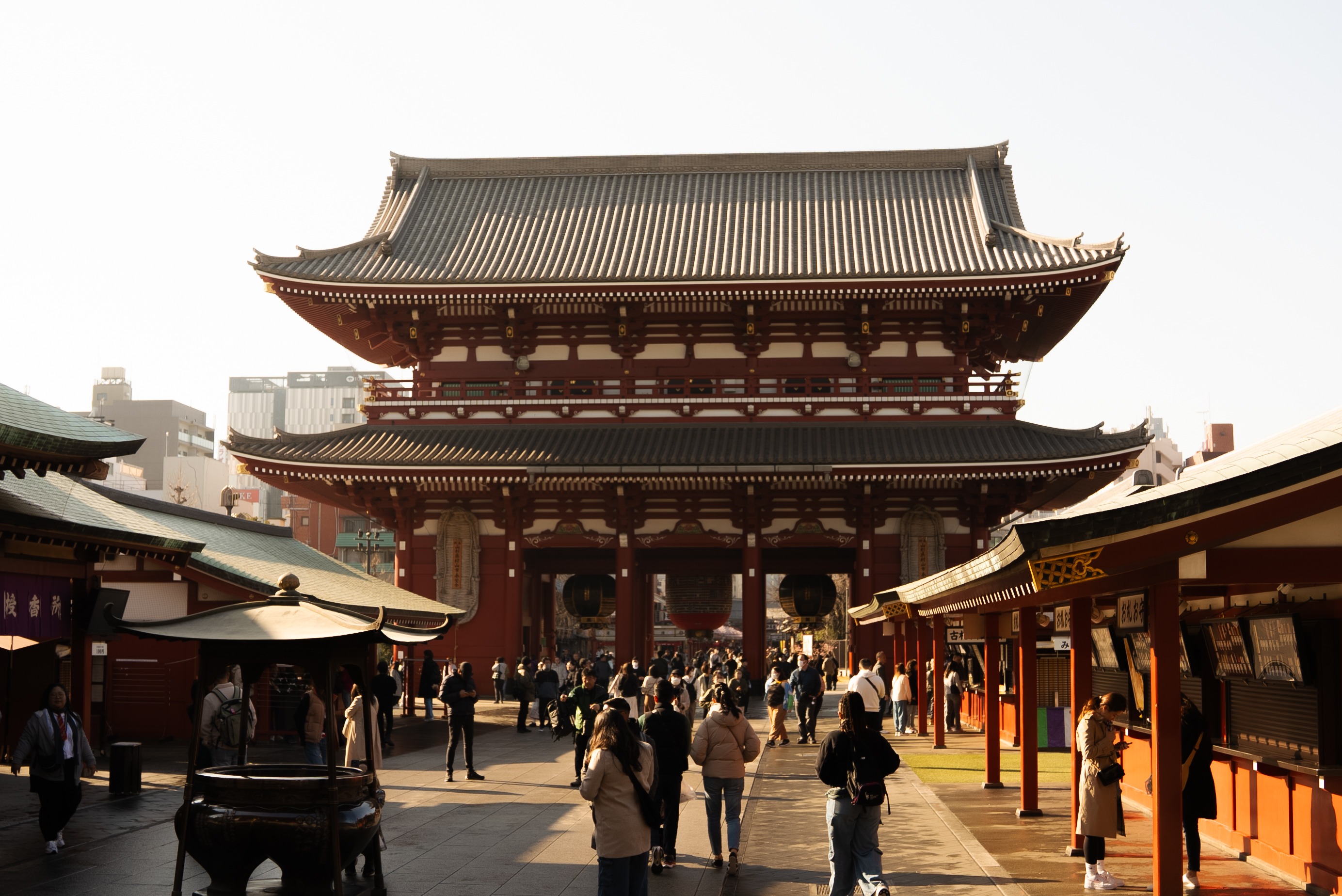
Kyoto was the capital of Japan for over 1,000 years, beginning in 794, when Emperor Kammu made the city the seat of his Imperial court and the center of Japan's political world. This long and prestigious history led to the development of many of the refined arts we now associate with Japan. Having escaped the ravages of World War II, the city is a treasure trove of important cultural properties. Kyoto is dotted with over 2,000 shrines and temples, which contain about 20% of Japan's National Treasures and about 14% of its Important Cultural Assets; 17 places in the city are UNESCO World Heritage Sites.
Many aspects of traditional culture have been carefully preserved since the Heian period. Kyoto people are justifiably proud of their traditions, including omotenashi, or traditional hospitality, as well as kaiseki ryori, food beautiful enough to be called art, and many others. Various seasonal events are held throughout the year when one can glimpse the noble heritage of this beautiful, ancient city.
It’s not just in the pristine air in the bamboo groves or in the green forests surrounding the city. There is something very serene about Kyoto, deeply embedded in its everyday life.
Kyoto has nurtured its elegant simplicity in parallel with its aesthetics of cleanliness and purity for centuries. Utmost refinement is accompanied by a sense of purity. In Kyoto, that’s not just about the ideal atmosphere, but also in the actual practices integrated into the way of living and in welcoming guests.
Given that this is the inaugural year of Pepperdine's Kyoto program, students can only apply to the Fall 2026 or Spring 2027 semester (full academic year opportunities are not yet available). Pepperdine will be partnering with a local institution for residential and classroom options, and more details will be posted over the next few months.
Pepperdine will be partnering with a local institution for residential and classroom options, and more details will be posted over the next few months.
Living in Kyoto
- Fushimi Inari-taisha Shrine
- Kinkakuji Temple
- Kiyomizu-dera Temple
- Arashiyama
- Samurai Museum
- Gion
- Nijo Castle
- Nishiki Market
- Imperial Palace
Pepperdine will be partnering with a local institution for residential and classroom options, and more details will be posted over the next few months.
Coming soon
What do you need? What should you leave behind? How will you ever get all of your things into the suitcases the airline will let you check in? The answer to all three of these very valid questions is "Less is definitely more!" Do not take too much and choose carefully what you do take.
As to choice, that should be determined by two factors: climate and cultural differences. As to quantity, that will be determined by airline luggage restrictions. Airlines have strict luggage allowances, and they will charge you a costly excess baggage fee for exceeding the maximum weight or size allowed. In some cases they may refuse to allow luggage on the airplane.
Typical Luggage Allowance
Policies on maximum number of checked luggage, dimension and weight restrictions, and checked luggage fees vary from airline to airline. It is the student's responsibility to check with his or her airline for these luggage restrictions. Most airline carriers charge a fee for each piece of checked luggage. Fees vary by airline, and it is the student's responsibility to be prepared to pay these fees at the airport.
Packing List
Program specific packing list coming soon
Resident Advisors (RAs)
Two RAs per semester are hired and trained by the IP Office prior to departure. RAs are expected to work together with the Program Director, the Faculty in Residence, and IP Office to create a strong learning community, maintain Pepperdine standards, and promote the IP mission statement within the group. Through planning events, acting as a leader and working as a liaison between the students and the Program Staff, RAs are essential for the development of camaraderie within the house.
Media Coordinator
One IP Media Coordinator per semester is hired and trained by the IP Office prior to departure. The Media Coordinator acts as a liaison to the IP Office for collecting photos and video footage from the program and then creating videos from that footage. These videos are posted onto both the IP and program-specific Youtube and Instagram.
Library Ambassador
The library worker is hired on the Malibu campus before departure for the program. This position serves as a resource for managing and organizing the library resources at the facility, and helping students to more effectively use online library resources provided by the Pepperdine University Libraries.
Rise Ambassador
The RISE IP Ambassador will represent the Resilience-Informed Skills Education (RISE) Program abroad and reflect a passion for spreading awareness, education and information about resilience to the community.
Other Student Worker Positions
Student Workers are hired by the Program Director once students arrive at their program. These positions range in the amount of responsibilities and time commitment. If you are interested in acquiring a job overseas in the house, please make sure that you have an updated I-9 card with Student Employment. Students should bring this card with them overseas. Students will apply based on need and jobs will be discussed upon arrival.
Smartphones
Students are required to have a smartphone with reliable voice, text, and data service throughout the duration of the program. Your phone will be used for emergency communication, accessing important program information, navigation, translation, transportation apps, and International SOS (Pepperdine's travel assistance provider). Before arriving in Japan, please ensure that you have one of the following options in place.
U.S. Options
Use your existing smartphone with an international plan. Contact your cellular provider
before departure to determine whether your current plan includes international calling,
texting, and high-speed data in Japan. Many U.S. carriers offer international travel
plans that work well for short-term study abroad.
Purchase an international data plan through your wireless carrier if available.
Use an eSIM if your smartphone supports it. Many students find that purchasing an eSIM for Japan before departure provides an easy and affordable option for data service without changing their physical SIM card. Bring an unlocked smartphone so you have the flexibility to use either a Japanese SIM card or eSIM after arriving.
Japan-Based Options
Japanese SIM or eSIM
Students who will be living in Japan for a semester are encouraged to obtain a local Japanese SIM card or eSIM unless they already have an affordable international plan. Several companies provide prepaid and monthly plans designed specifically for international students. Program staff will provide recommendations during orientation and assist students with selecting a provider if needed.
Popular providers include:
Sakura Mobile
Mobal
IIJmio
Rakuten Mobile
SoftBank
au (KDDI)
NTT Docomo
Typical plans include:
20–30 GB of monthly data: approximately ¥2,500–¥4,000 per month
Unlimited data plans: approximately ¥4,000–¥6,000 per month
Prices vary by provider and are subject to change.
Many students find that an eSIM from providers such as Airalo or Ubigi works well for short-term stays, while semester students often prefer a Japanese SIM card with a local phone number.
Pocket Wifi Rental
Renting pocket WiFi is another convenient option for travelers connecting multiple devices in Japan. Reserve ahead, choose an unlimited-data plan, and select airport pickup and return. Unlimited data plans typically cost between ¥10,000–¥20,000 per month. It is more expensive than eSim but allows you to connect to multiple devices (such as computers) when you are travelling (both the classrooms and student housing in Japan will provide free and reliable wifi access to students).
Popular pocket wifi providers include:
NINJA WiFi
Japan Wireless
Sakura Mobile
Global Advanced Communications
WiFiBOX
Program staff can assist students with:
- Selecting an appropriate provider
- Activating a SIM card or eSIM
- Understanding monthly billing
- Canceling service before departure from Japan
In-House Communications
Because students frequently travel throughout Kyoto and participate in activities across the city, timely communication is essential.
All students will be added to the program's official WhatsApp group before or during orientation. This group is the primary means of communicating:
- Schedule updates
- Meeting locations
- Emergency notifications
- Last-minute logistical changes
- Program announcements
- Students should download WhatsApp before arriving in Japan and enable notifications.
Program staff may also use email and other university communication platforms for official announcements.
Applications and Internet Communication
Most students communicate with family and friends using internet-based applications,
including:
- FaceTime
- Zoom
- Google Meet
- Microsoft Teams
With a reliable Wi-Fi or mobile data connection, these services provide free voice and video calling.
Japan has excellent mobile coverage throughout Kyoto and most areas students are likely to visit.
Dialing Instructions
Calling the United States from Japan
Dial:
010 + 1 + Area Code + Telephone Number
Example:
To call Pepperdine University's main switchboard:
010 1 310 506 4000
Many mobile providers automatically support international dialing by simply entering +1 followed by the U.S. phone number.
Calling Japan from the United States
Dial:
011 + 81 + Area Code (drop the leading 0) + Telephone Number
For example:
A Kyoto telephone number beginning with 075 would be dialed as:
011 81 75 XXX XXXX
When calling Japanese mobile phones, omit the leading zero after the country code.
Mail Services
Students may receive letters and small packages during the semester.
The students will be provided with both a mailbox code and a delivery code with their room code. When they get small mail it will be put in their mailboxes. When they get larger packages, there are delivery boxes for the delivery person to insert the package into. Then the students will have a code to access their packages. When they want items to be mailed to them, the address is: 244 Suhamaikecho, Kamigyo Ward, Kyoto, 602-8262 (〒602-8262 京都府京都市上京区須浜池町244) in Japanese. The student would also need to include their room number (EX: Room 501).
The security will not hold packages for them, so they need to provide the correct room number and check for their deliveries.
Students should consult program staff before ordering large packages or valuable items to ensure deliveries can be received safely.
Japan Post is reliable, efficient, and widely available throughout Kyoto.
Most post offices are generally open:
Monday–Friday: 9:00 a.m.–5:00 p.m.
Larger branches may offer extended evening or weekend hours.
Students can purchase:
Domestic and international postage
Shipping supplies
Package mailing services
EMS (Express Mail Service)
International parcel services
For assistance with mailing packages or locating the nearest post office, students
are encouraged to speak with program staff and keep in mind customs processes and
costs.
Visiting Kyoto
Facts and Statistics
- Location: In the Pacific Ocean off the northeast coast of the Asian mainland, it is bordered on the west by the Sea of Japan and extends from the Sea of Okhotsk in the north to the East China Sea in the south. The Japanese archipelago consists of four major islands—Hokkaido, Honshu, Shikoku, and Kyushu—and thousands of smaller islands, covering 377,975 square kilometers (145,937 sq mi).
- Climate: The climate of Japan is predominantly temperate but varies greatly from north to south.
- Japan has a population of over 123 million as of 2025, making it the eleventh-most populous country.
- Religions: Japan's constitution guarantees full religious freedom. Upper estimates suggest that 84–96% of the Japanese population subscribe to Shinto as its indigenous religion. However, these estimates are based on people affiliated with a temple, rather than the number of true believers. Many Japanese people practice both Shinto and Buddhism; they can identify with both religions or describe themselves as non-religious or spiritual.
- Government: Japan is a constitutional monarchy with a bicameral legislature, the National Diet.
Language in Japan
99.2% of people in Japan have Japanese as their first language. There are still a few lesser-spoken languages across the islands, including: Amami, Kyukyu, Kikai and Miyako. The Ainu language (spoken in Hokkaido) is critically endangered as a language, and only 15 people identified as speaking in in the late 1990s. Korean is spoken by 0.5% Population and Chinese about 0.2%. Some people may speak English in the major cities but it’s not a given.
Coming soon